
Laura Vidal
Researcher, writer, editor
Global Venezuelan. Latinopolitan. Researcher and author. I'm in love with many areas, so I cross and intercept them. From online media and cultural encounters to gender and online censorship.
fpc.org.uk
Op-ed | International law, institutional collapse, and the danger of selective concern
In the immediate aftermath of Nicolás Maduro’s military extraction by the United States, protests erupted across major cities in Europe and the Americas calling for respect for Venezuela’s sovereignty. Venezuelans themselves, however, were largely absent from these protests. This contrast is not incidental. It reflects a deeper misalignment in how the crisis is being framed and debated.
ifex.org
Confronting digital violence weaponized by power
A prominent voice in Argentina’s feminist movement and a well-respected journalist, Julia Mengolini has spent more than a decade challenging political, corporate, and media power. She is the founder of Futurock, an independent online radio station built without state or corporate backing. Her work makes space for feminist and progressive ideas that had often been sidelined in the country’s public discourse.

ifex.org
Lighting up resistance to state-backed character assassination
Luz Mely Reyes and her media outlet have been the targets of a sustained campaign of stigmatization and defamation – online and off – orchestrated by state actors and allied media platforms.
YouTube
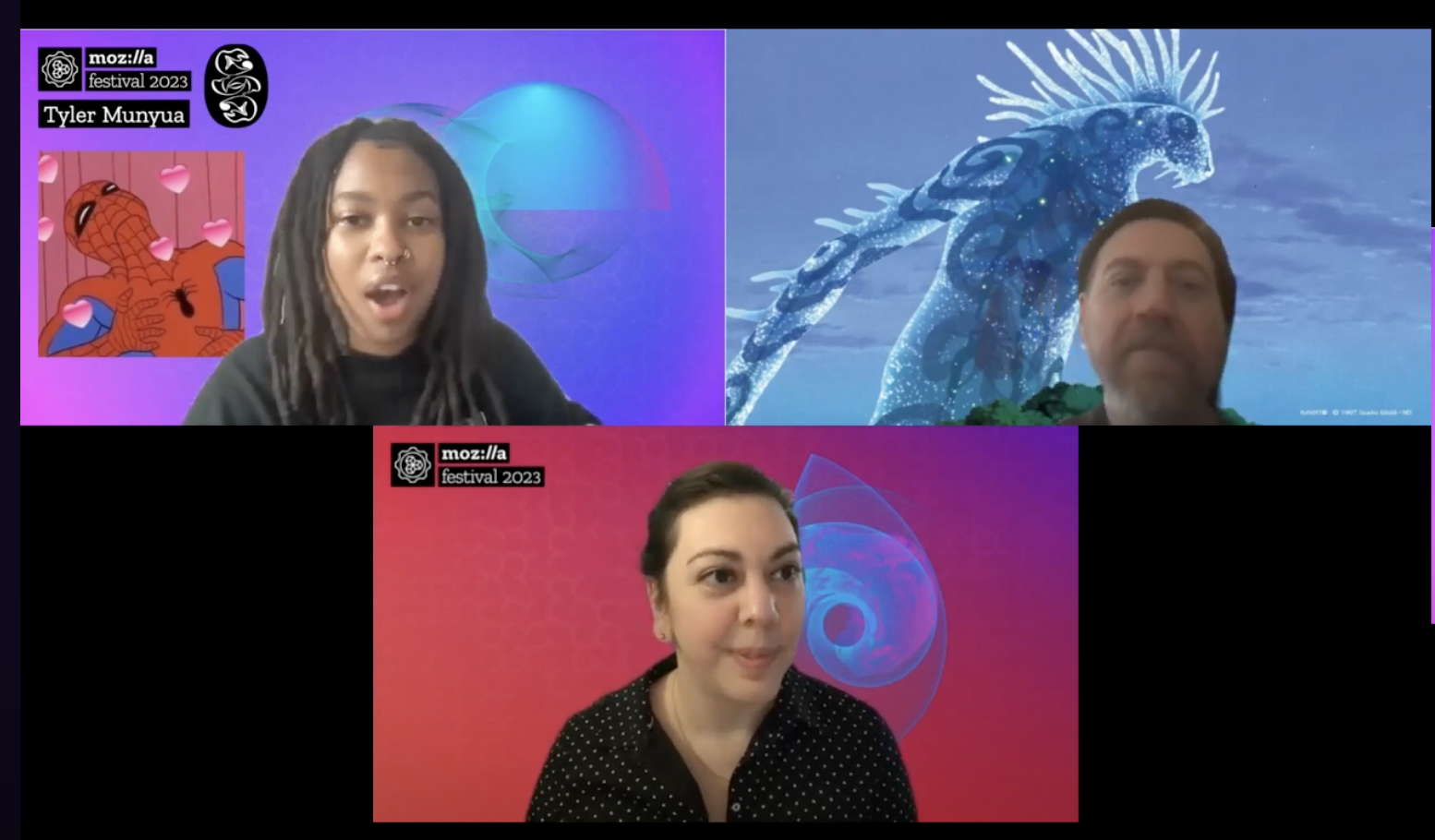
Sharing Experiences and Experiments with Language Inclusion from MozFest 2022 and 2023
Sharing Experiences and Experiments with Language Inclusion from MozFest 2022 and 2023

thefirethesetimes.com
A Liquid Convo About Venezuela w/ Laura Vidal
For episode 198, Elia Ayoub is joined by Venezuelan researcher – and old friend – Laura Vidal to talk about, and around, Venezuela. We got into why Venezuelans flee the Maduro regime, how Venezuela(ns) is often covered, and the broader discourse battles that may or may not include people who still think Maduro is a passionate defenders of the Palestinians (pause for laughter).
ifex.org
Rising repression in Venezuela and El Salvador, Peru’s alarming trends, and Colombia’s anniversary of impunity
May 2025 in the Americas: A freedom of expression round-up by IFEX's Regional Editor Laura Vidal, based on IFEX member reports and news from the region.
In Colombia, the 25th anniversary of the attack on journalist Jineth Bedoya in May served as a reminder of ongoing impunity, but also marked a new chapter in the collective struggle to eliminate violence against women.

ifex.org
Fighting AI-powered disinformation through collaboration
IFEX spoke with the director of the Comprova project, Sérgio Lüdtke, to better understand how artificial intelligence is reshaping disinformation threats in Brazil – and how collaborative journalism may be our strongest line of defense.
Disinformation has become a central weapon in today’s authoritarian toolkit – used not only to mislead, but to discredit and destabilise. Journalists and public interest media are frequent targets, as political actors orchestrate narratives that erode public t...

Internews
The Development and Maintenance of Digital Security Community Resources and Curricula
This report presents findings from Internews’ research into the development and maintenance of long-standing digital security resources and the communities behind them. It summarizes some key best practices and lessons learned. That way, existing initiatives future projects can build on the experiences of those who have built and maintained community resources.

ifex.org
Exiled Expression: Support initiatives
The forced displacement of journalists and rights defenders has become a global phenomenon. In part one, the authors looked into some of the root causes and impacts in Africa and Latin America and the Caribbean. Here, they share some support initiatives and reflect on the potential for greater cross-regional collaboration.

ifex.org
Exiled Expression: Root causes and impacts
The forced displacement of journalists and rights defenders has become a global phenomenon. In this brief, the authors look into some of the root causes and impacts in Africa and Latin America and the Caribbean. In part two, they share some support initiatives and reflect on the potential for greater cross-regional collaboration.

ifex.org
U.S. elections implications, tackling gender-based violence, and dangerous trends in Bolivia and Nicaragua
November in the Americas saw increasing challenges to freedom of expression and civic space. In the United States, newly approved legislation threatens to undermine civil society and nonprofit organisations. In Bolivia, widespread violence against journalists covering protests highlights the long-term impact of the criminalisation of the press. Meanwhile, Nicaragua’s Universal Periodic Review at the UN Human Rights Council brought renewed calls for the protection of fundamental rights in the country.

ifex.org
Restrictive laws in Paraguay and Cuba and rising hostility in Argentina
October in the Americas: A free expression and civic space round-up produced by IFEX's Regional Editor Laura Vidal, based on IFEX member reports and news from the region.
October in the Americas witnessed intensifying pressures on freedom of expression, with new legislative actions and escalating threats to journalists marking a difficult month for civic space.
YouTube
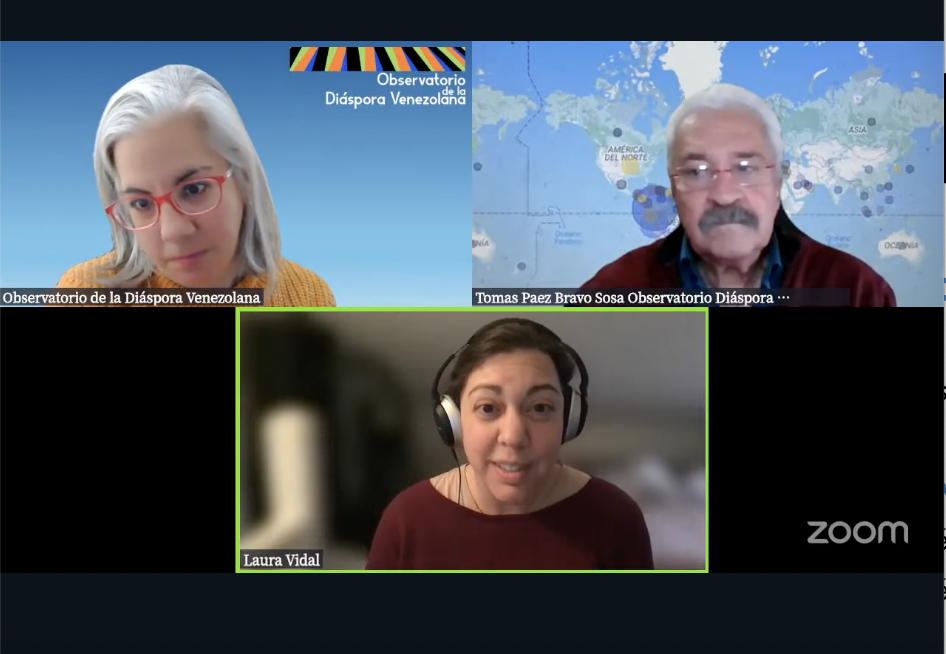
Entrevista: "Derechos digitales y diáspora”
Hace poco hablé en el espacio radial del Observatorio de la Diáspora Venezolana sobre los desafíos del control de la información en Venezuela. La censura, la vigilancia y las restricciones digitales son obstáculos que enfrentamos cada día en la defensa de los #DerechosDigitales. Como sociedad civil y diáspora, tenemos la responsabilidad de educarnos en seguridad digital para fortalecer nuestras redes de confianza y resistencia.

eff.org
Unveiling Venezuela’s Repression: Surveillance and Censorship Following July’s Presidential Election
This is part one of a series. Part two on the legacy of Venezuela’s state surveillance is forthcoming.
As thousands of Venezuelans took to the streets across the country to demand transparency in July’s election results, the ensuing repression has been described as the harshest to date, with technology playing a central role in facilitating this crackdown.
The presidential elections in Venezuela ...

amidi.org
¿Se puede aprender la comunicación intercultural?
Desde 2012 me he dedicado a estudiar los modos y los espacios con potencial para el aprendizaje de la comunicación intercultural, o más a secas, la interculturalidad. Empecé estudiando comunidades en línea, entusiasmada y muy segura del gran potencial que existe cuando personas de muchos países se encuentran e intercambian historias. Mi prisma fue el de los aprendizajes informales, o aquellos que se dan fuera de ámbitos oficiales, como la escuela o las universidades.